2025 Learning Series: Recordings and Resources
Thank you for holding space with us to honor and uplift parents.
We are grateful to have you as part of the WithinReach community. Together, we can spark more conversations like these and strengthen the support families count on.
Make a gift to WithinReach Today 💜
KEYNOTE with Dr. Ben Danielson
Parenting Through Crisis: Building Resilience, Advocating for Change, Strengthening Communities
Watch Dr. Benjamin Danielson—pediatrician, advocate, and professor of practice at the University of Washington—for an inspiring exploration of how we can support families in challenging times. Drawing on decades of experience in community health and equity, Dr. Danielson shares insights on systemic advocacy, the power of collective wisdom, and the role of compassionate partnerships in transforming the lives of parents and children alike.
Parenting Across Borders
Supporting Immigrant and Refugee Families in a Changing America
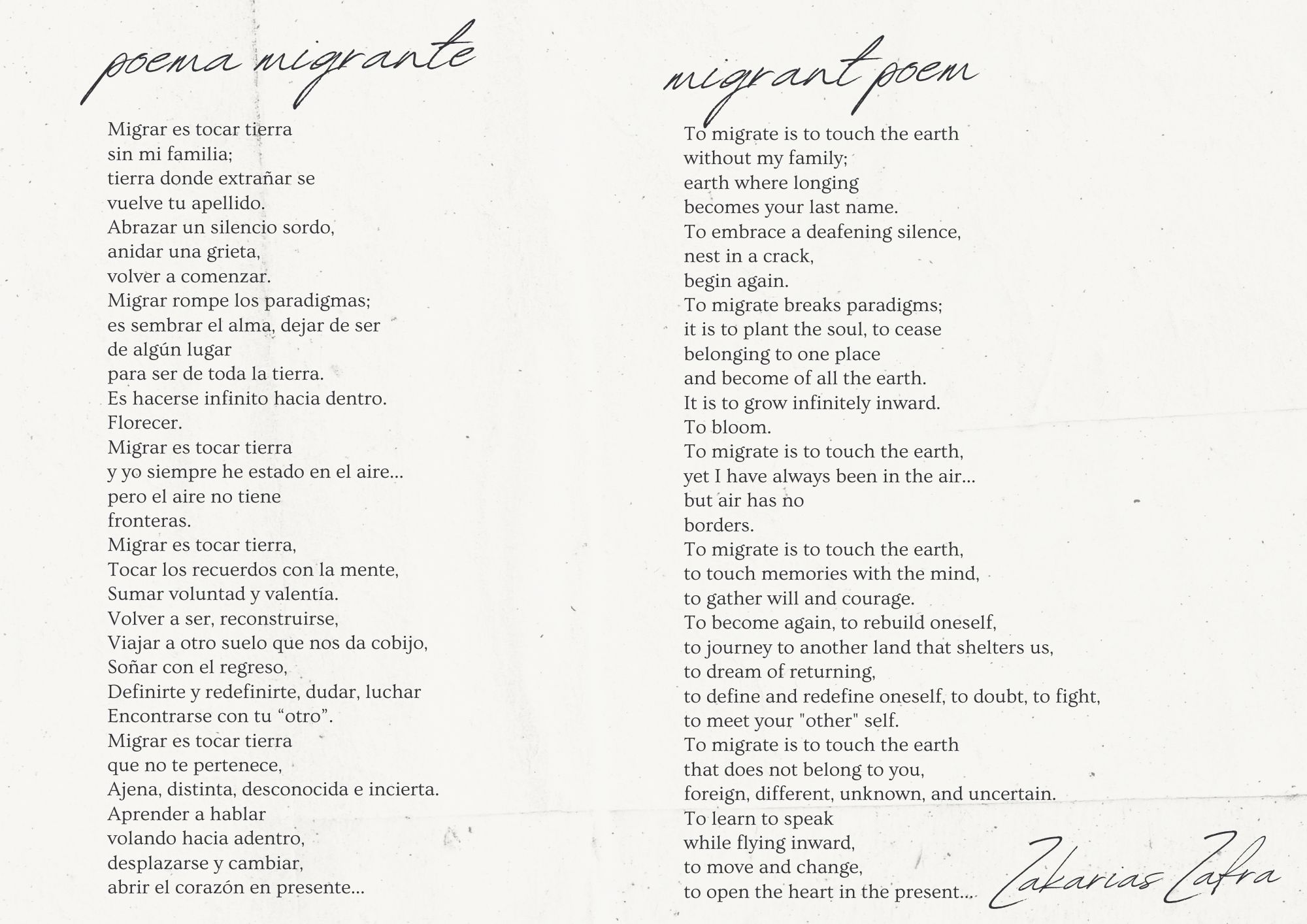
Immigrant and refugee families face significant challenges as they navigate parenting within unfamiliar and often inequitable systems in America. This session explores the unique experiences of these families, including the complexities of cultural transition, identity shifts, and the impact of systemic barriers like anti-immigration policies. Through the voices and wisdom of hundreds of diverse parents, we unpack themes like acculturative stress, disenfranchised grief, and evolving family roles.
Parenting While Engaged with Child Welfare Systems
Challenging and Redefining Systems through Advocacy and Community
Transforming child welfare systems is essential to better supporting parents and preventing unnecessary family separation. This session explores innovative approaches that combine legal advocacy and community-based care to help families stay together safely. Learn about the FIRST Clinic’s medical-legal partnership, which addresses the root causes of CPS involvement through collaboration with hospitals, recovery centers, and peer advocates. We also examine how the Mockingbird Family is reimagining foster care by creating extended-family-style networks that cultivate stability and lasting relationships, ensuring children and parents receive the support they need to thrive.
Parenting After the NICU
Prioritizing Perinatal Mental Health and Family Well-Being
The Neonatal Intensive Care Unit (NICU) is an unexpected beginning for 10% of births in the U.S., often leaving families navigating stress, trauma, and challenges in bonding and attachment. These experiences, combined with service gaps after discharge, can contribute to pediatric feeding disorders and developmental delays in infants, while parents face an increased risk of Perinatal Mood and Anxiety Disorders. Supporting an infant’s development and medical needs requires addressing caregiver mental health. This session explores evidence-based strategies, including parallel process, holding space, and intentional communication, to strengthen the parent-child relationship and improve outcomes for families transitioning from hospital to home.
Parenting with Joy and HOPE
Building Resilience and Well-Being through Stress Response and Positive Experiences
As parents, there are challenges we can’t always protect our children from, but we can support them through those experiences with joy and hope. Parenting with resilience begins with understanding how to manage stress responses and nurture positive interactions. This session explores practical strategies for addressing children’s challenging behaviors while fostering joyful connections that support health and development. Learn to recognize early signs of stress, respond with safe and playful emotional expression, and practice real-time self-care techniques. Explore the HOPE framework, which highlights Positive Childhood Experiences (PCEs) as a buffer against Adverse Childhood Experiences (ACEs) and toxic stress.
To learn more about the HOPE framework visit: positiveexperience.org